The Oceanic massages originate from island cultures deeply connected to nature, the ocean and vital energy. These ancestral practices are not solely for muscular relaxation: they also support emotions, grounding and the circulation of energy within the body.
Every Oceanian massage has a strong identity, passed down through generations, with a precise intention: to liberate, harmonise, and rebalance.
Hawaiian Massage – Lomi Lomi: Flowing Movements, Energy and Holistic Healing Rituals
Origin and philosophy:
Hawaiian Lomi-Lomi massage is an ancestral practice from the tradition of the kahunas, the healers of Hawaii. It is based on the philosophy Honey, according to which well-being depends on harmony between the body, mind, and emotions. Massage is considered a transformative ritual, where the practitioner's intention is as important as the gesture.
Techniques et particularités :
Lomi-Lomi is distinguished by long, fluid, and continuous movements, primarily performed with the forearms. The gestures are reminiscent of ocean waves, completely enveloping the body without breaking contact. The rhythm is slow, deep, and very soothing.
Benefits
- Overall muscle relaxation
- Releasing emotional tension
- Calming the mind
- A feeling of deep letting go
What sets it apart:
Its unique fluidity and its emotional and energetic approach, very different from Western technical massages.
Polynesian Massage – Taurumi: Traditional Island Techniques and Deep Relaxation
Origin and philosophy:
Polynesian Taurumi massage is a traditional practice from the Pacific Islands, used for both well-being and to accompany important life stages. It is part of a holistic vision where the body reflects emotions and inner energy.
Techniques et particularités :
The Taurumi alternates deep pressures, enveloping smoothing strokes, and gentle mobilisations. The movements are powerful yet harmonious, often rhythmic, allowing for deep work on the muscles while maintaining great fluidity.
Benefits
- Muscle tension release
- Improved circulation
- Energy rebalancing
- Feeling of safety and grounding
What sets it apart:
Its balance between power and gentleness, as well as its strong link to Polynesian cultural traditions.
Australian Massage
Origin and philosophy:
Australian massage is inspired by Aboriginal traditions, where touch is used as a tool for healing and reconnecting with the earth. It aims to restore the balance between the physical body and vital energy.
Techniques et particularités :
This massage combines deep pressure, slow and grounded movements, and enveloping techniques. The work is often done progressively, promoting lasting relaxation and deep release.
Benefits
- Muscle tension relief
- Posture improvement
- Emotional anchoring and stability
- Feeling of refocus
What sets it apart:
Its very earthy and grounding approach, ideal for stressed or scattered individuals.
New Zealand Massage – Wacana
Origin and philosophy:
The Wacana Oceania massage originates from Maori traditions in New Zealand. It is based on the concept of Where, life force energy, and aims to release accumulated physical and emotional blockages in the body.
Techniques et particularités :
The manoeuvres are deep, rhythmic and sometimes intense. The practitioner primarily uses their hands and forearms to work deep into the muscles and tissues, while maintaining great fluidity.
Benefits
- Intense muscle relaxation
- Release of chronic tension
- Reconnecting with yourself
- Strengthening vital energy
What sets it apart:
Its controlled intensity and its action on bodily memories.
Fijian Massage – BOBO Massage
Origin and philosophy:
BOBO Massage is a traditional practice from the Fiji Islands. Used for generations, it originally had a therapeutic and revitalising function, intended to relieve pain and restore the body's energy.
Techniques et particularités :
This massage is recognised for its deep pressures and targeted muscle work. The movements are firm, precise, and alternate with more enveloping manoeuvres to promote recovery and relaxation.
Benefits
- Deep muscle tension relief
- Mobility Improvement
- Circulation stimulation
- Feeling of renewed vitality
What sets it apart:
Its effectiveness on muscle tension and its dual therapeutic and energising nature.
FAQ – Oceanian Massages
What distinguishes Hawaiian Lomi-Lomi massage from other Oceanic massages?
Lomi-Lomi is characterised by long, fluid movements performed with the forearms, reminiscent of ocean waves. Unlike Western massages (Swedish Massage, Deep Tissue Massage), it incorporates a Energy and emotional dimension strong, promoting the Stress relief, letting go and harmonising the body and mind.
What are the emotional benefits of Lomi-Lomi massage?
It encourages letting go, soothes anxiety, reduces stress, and improves mental clarity through its continuous and enveloping gestures. It is a holistic relaxation ritual that combines body and mind for lasting well-being.
3. What are the main techniques of Polynesian Taurumi Massage?
The Taurumi alternate deep pressures, gliding strokes gentle mobilisations. The movements are powerful but fluid and often rhythmic, which allows for deep muscle work and energetic harmonisation.
4. Can Taurumi replace a Western relaxation session? (Taurumi vs Western Relaxation Massage)
Yes, it offers comparable relaxation to Swedish Massage or Deep Tissue Massage, but adds a unique cultural and energetic dimension, promoting Earthing (anchoring) and emotional release.
5. Which muscles are mainly involved in Australian Traditional Massage?
Australian massage targets the back, shoulders, legs, and arms. It uses deep pressure and grounded movements, improving posture, relieving chronic tension, and stimulating blood circulation.Improvement of blood circulation).
6. Why is Australian massage called “grounding massage”?
It uses a slow, deep touch to reconnect the body with the earth, promoting emotional stability and deep relaxation. Ideal for stressed or scattered individuals.
7. What is the New Zealand Wacana massage? (Wacana Maori Massage, New Zealand)
Inspired by Maori traditions, the Wacana aims to free the energy blockages, strengthen the mana (life energy) and release muscular tensions, with fluid and deep movements.
8. What are the effects of Wacana on chronic tension? (Chronic Tension Relief, Wacana Massage)
It reduces persistent muscle pain, releases built-up tension and promotes energy circulation, offering lasting relief. It is recommended for athletes and people suffering from back or neck pain.
9. What makes Fijian BOBO Massage unique? (Fijian BOBO Massage, Therapeutic & Energizing)
The BOBO combines deep pressure and enveloping movements. It is both thérapeutique (therapeutic massage) and energisingEnergising massageeffective for muscle recovery and circulatory stimulation.
10. Is BOBO Massage recommended for athletes? (Sports Recovery, BOBO Massage)
Yes, its deep techniques improve muscle recovery, promote flexibility, reduce soreness, and stimulate vital energy.Vital energy stimulationafter intense physical exertion.
11. Can you learn Oceanian massages online? (Online Oceanian Massage Courses)
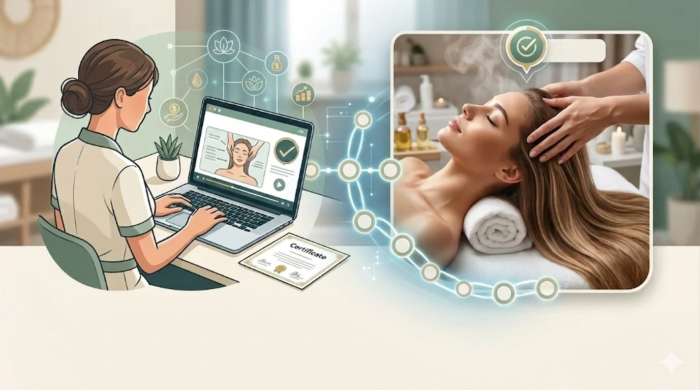
Yes, our distance learning courses offer unlimited access to all techniques (Lomi-Lomi, Taurumi, Wacana, BOBO) with detailed instructional videos, full protocol and professional certificate.
12. How long does it take to master an Oceanian technique? (Training Duration, Oceanian Massages)
With regular learning, basic mastery takes about 2 to 4 weeks, while professional advanced level develops over 2 to 3 months. Daily practice is recommended for complete mastery.
13. What are the combined benefits of Oceanian massages?
Ils améliorent la blood and lymphatic circulation, release muscular tension, balance vital energy, promote grounding and offer deep mental and emotional relaxation.
14. Can these massages be integrated into a Western spa or beauty salon? (Integration in Spas & Wellness Centers)
Yes, these massages are highly sought after for their authenticity and holistic dimension, and they complement a Western treatment menu, increasing differentiation and customer satisfaction.Client satisfaction & differentiation).
15. What accessories are used in Oceania massages? (Tools & Accessories)
Hands and forearms are primarily used. Some massages, such as the Kenyan Rungu massage, use a traditional stick to stimulate muscles and body energy. Local essential oils improve glide and relaxation.
16. What is the difference between Lomi-Lomi and Taurumi? (Lomi-Lomi vs Taurumi Massage)
Lomi-Lomi is fluid and emotional, using long, continuous movements to harmonise the body and mind. Taurumi combines power and fluidity with a more structured rhythm to work deeply on muscles and energy.
17. Are Oceanian massages suitable for pregnant women? (Pregnancy Massage, Oceanian Techniques)
Certain gentle techniques, such as Lomi-Lomi or adapted BOBO Massage, can be performed with caution. Deep pressure on the abdomen should be avoided. The training includes a module on safe prenatal massage.
18. Which oil to use for Oceanian massages? (Oils & Aromatherapy, Oceanian Massages)
Light vegetable oils (coconut, jojoba) and blends of local essential oils offer Slide, muscle relaxation and energy stimulation. The use of organic or authentic oils enhances the sensory and holistic experience.
19. Do Oceanian massages improve sleep? (Sleep Improvement, Oceanian Massage Therapy)
Yes, thanks to their relaxing and balancing properties, they reduce stress and promote deep, restorative sleep. Ideal for people suffering from insomnia or chronic stress.
20. How to choose the best Oceanian massage course?
We should prioritise: distance or in-person learning, a complete protocol, explanatory videos, unlimited access, professional certification, and personalised support. The courses must include practice, energy, and cultural dimensions to become a competent and certified practitioner.
1. What is the difference between Lomi-Lomi and Western massages? (Lomi-Lomi vs Western Massage)
Hawaiian Lomi-Lomi favours Fluency, continuity, and energetic intention (energy flow), unlike Swedish or deep tissue massage that focuses on localised muscles and tensions. The effect is more global, including muscle relaxation and emotional balance.
2. Can Polynesian Taurumi improve sports recovery? (Sports Recovery, Taurumi Massage)
Yes. Its deep and rhythmic movements stimulate blood circulation and lymphatic, reduce muscle tension and speed up recovery after exertion. Widely used for relaxation and muscle recovery.
3. Which areas of the body are targeted by the New Zealand Wacana massage?
Back, legs, arms, and shoulders. Wacana works on deep muscles and connective tissues, and works on body memory release to release built-up emotional tension.
4. Is BOBO Massage effective for back pain? (Back Pain Relief, BOBO Massage)
Absolutely. Deep pressures combined with enveloping strokes improve the mobility of the back muscles, release tension, and stimulate circulation, offering lasting relief (Long-term back relief).
5. Can Lomi-Lomi and Taurumi be combined in a single session? (Combination Techniques, Hawaiian & Polynesian Massage)
Yes, to create a Personalised massage experience. Lomi-Lomi brings fluidity and letting go, while Taurumi adds power and deep muscle work.
6. What are the mental health benefits? (Mental Health Benefits, Oceanian Massage)
Stress reduction, anxiety relief, improved concentration and emotional well-being. Oceania massages are often used as a complement to Therapeutic wellness programmes and holistic stress relief.
7. Are Oceanian massages suitable for the elderly? (Senior-Friendly Massage, Lomi-Lomi, Taurumi)
Yes, by adapting the pressures and duration. Gentle, fluid movements promote Mobility improvement, muscle relaxation and energy circulation without risks.
8. What tools or accessories are used? (Massage Tools, Oceanian Techniques)
Mainly the hands and forearms. Some massages, such as BOBO or Rungu, use traditional sticks to activate muscles and energy points.Energy point stimulation).
9. Which oil is best for an Oceanian massage? (Oils & Aromatherapy, Oceanian Massage)
Light vegetable oils such as coconut, jojoba or monoi. They facilitate Smooth gliding, hydrating the skin and enhancing the sensory experience. The addition of essential oils such as lavender or ylang-ylang optimises Relaxation and emotional balance.
10. What is the ideal duration for an Oceanic massage session?
Between 60 and 90 minutes for a full massage, allowing for deep muscle work, letting go, and optimal energetic balanceFull body relaxation).
11. Can these massages be practised at home? (Home Massage Therapy, Oceanian Techniques)
Yes, some practitioners offer home visits, with minimal equipment (couch, oils). Ideal for a premium clientele and Home wellness programmes.
12. Can Oceanian massages complement spa activities? (Spa Integration, Oceanian Massages)
Perfect. They offer a differentiating and authentic service, increasing customer loyalty.Client retention) and the institute's added value (Premium wellbeing service).
13. How to market a Hawaiian or Polynesian massage?
Use before/after photos, explainer videos, cultural storytelling, customer testimonials and packages Relaxation and wellness. Les réseaux sociaux sont essentiels pour le Branding and customer acquisition.
14. Do Oceanian massages improve sleep? (Sleep Improvement, Oceanian Massage)
Yes. Energy balance and muscle relaxation reduce insomnia and improve Sleep quality, promoting restful and deep sleep (Deep restorative sleep).
15. Can one train online in Oceanian massage?
Yes. Our training courses offer detailed videos, a complete protocol, a professional certificate and Access anytime, anywhere, suitable for beginners and experienced practitioners.
16. What is the difference between BOBO and Wacana? (BOBO vs Wacana Massage)
The BOBO focuses on deep pressures and muscle tone, ideal for recovery and circulation. The Wacana targets chronic tensions and bodily memories, with energetic yet fluid work.Energy flow and body memory release).
17. Are Oceanian massages suitable for athletes? (Sports Massage, Oceanian Techniques)
Yes, particularly Taurumi, Wacana and BOBO. They improve flexibility, muscle recovery (muscle recoverycirculation and reduce the risk of injury.
18. What are the energy benefits? (Energy Benefits, Oceanian Massage)
They promote the harmonisation of vital energyLife force balancing), power, energy circulation and grounding (grounding energyfor complete well-being.
19. What training to choose according to one's objective?
- Lomi-Lomi: relaxation and emotionStress relief & emotional balance)
- Taurumi: Power and HarmonisationMuscle & energy alignment)
- Chronic tensionsChronic Tension Release)
- BOBO : Muscle recovery and vitality (muscle recovery and energizing)
20. What return on investment for a practitioner? (ROI, Oceanian Massage Business)
With average prices between €60–€120 per session and customer loyalty, professional training (online or in-person) can be recouped with just 4–5 clients. Oceanian massages are premium services.premium wellness serviceshighly sought after in international spas and beauty salons.
Conclusion: Why train in Oceanic massages?
The Oceanic massages offering a unique approach to well-being, blending fluidity, the power of touch, and an energetic dimension. They allow practitioners to offer authentic, differentiating, and profoundly transformative treatments.
Training in these massages means learning rare techniques, rich in meaning, which perfectly meet current expectations for reconnection, letting go, and overall well-being.
Oceania's massages are among the many ancestral body practices found around the world. You can discover a Overview of traditional massages south Wikipedia.
You can also read: