Oceanic Massages: A Holistic and Ancestral Healing Practice Across Island Cultures
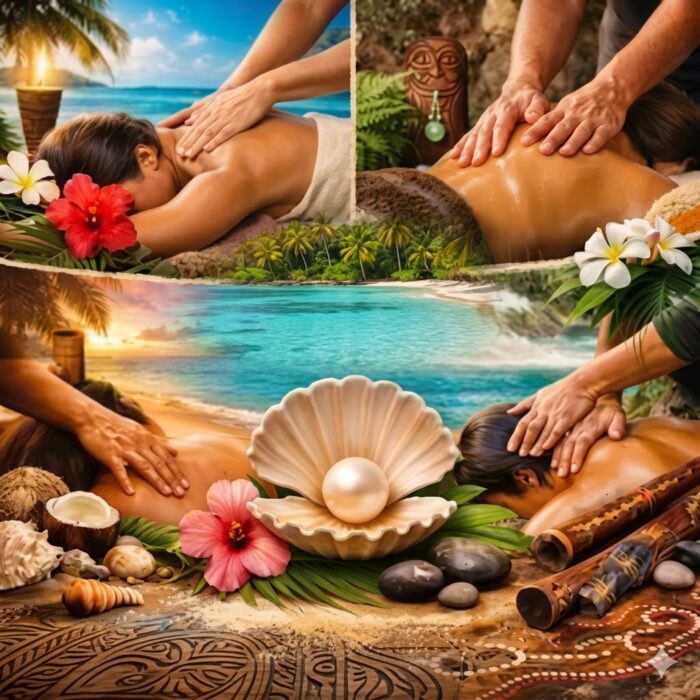
Oceanic massages are not limited to gestures of relaxation. They represent a true philosophy of life, rooted in the island cultures of the Pacific and Oceania. These practices reflect a deep respect for nature, water, the cycles of life, and the vital energy that flows through the body. Every movement, every pressure, every rhythm is designed to accompany the body and mind in a process of relaxation, grounding, and revitalization.
Beyond the gestures, these massages embody values of transmission and ancestral know-how. On some islands, they were part of rites of passage, healing ceremonies, or purification rituals. Learning these techniques is not only acquiring professional expertise but also understanding a culture and a way of perceiving well-being.
Core Principles of Oceanic Massage and Energy Flow Techniques
Oceanic massages are based on several key principles:
- Fluidity and continuity The gestures mimic the movement of waves, enveloping the body and promoting relaxation.
- Energy work The stimulation of energy lines, meridians, or reflex zones helps to harmonize the body and mind.
- Rhythm and breathing each movement is synchronized with the breath to maximize relaxation and grounding.
- Sensory integration The use of natural oils, sounds, heat, or local accessories (shells, feathers, stones) enhances the sensory experience.
These principles allow oceanic massage to act on different levels: physical (release of tension), emotional (calming and stress management), and energetic (balancing of vital flow).
Main Types of Oceanic Massage: Polynesian, Hawaiian and Island-Based Therapies
1. Hawaiian Lomi-Lomi
- Origin Hawaii, taught by the kahunas
- Gestures long movements with the forearms and hands, rhythmic like waves, sometimes combined with light stretches.
- Benefits deep muscle relaxation, energy flow, emotional release, and a sense of letting go.
2. Polynesian wrestling
- Origin Polynesia
- Gestures alternating deep pressures and enveloping effleurages, sometimes accompanied by traditional sounds or chants.
- Benefits Energy balance, emotional soothing, grounding, and inner harmony.
3. Aboriginal-inspired Australian massage
- Origin Aboriginal Traditions
- Gestures slow and grounded movements, deep pressure on the body and enveloping maneuvers, sometimes accompanied by breathing techniques.
- Benefits Mental refocusing, emotional stability, posture improvement, and muscle relaxation.
4. New Zealand Discourse
- Origin Maoris of New Zealand
- Gestures Deep, rhythmic, and sometimes repetitive maneuvers, working on bodily memory zones.
- Benefits Release of chronic tension, energetic revitalization, mind-body connection.
5. Fijian BOBO Massage
- Origin Fiji Islands
- Gestures deep pressures alternating with enveloping and fluid movements, sometimes with the use of local oils.
- Benefits Muscle recovery, circulation stimulation, vitality boosting, and emotional harmonization.
Why integrate ocean massages into your practice
Holistic approach
Oceanic massages don't just work on the muscles: they integrate the body, emotions, and energy. This is what sets them apart from classic Western massages.
Unique sensory experience
The use of natural oils (coconut, monoi, tamanu), seashells, hot stones, or traditional music enhances the experience. The client doesn't just receive a massage; they experience a true immersive ritual.
Professional development
Training in oceanic massages allows you to offer a signature treatment in your institute. The rare and ancestral techniques are differentiating and attract a clientele seeking authenticity and reconnection.
Flexibility and adaptation
The gestures can be adapted to the client: gentle relaxation for stressed individuals, deep pressure for athletes, or energetic care for those seeking harmony.
Train in oceanic massages
Why train
- Mastering rare and ancient techniques
- Offer high-end and differentiating care
- Understanding the cultural and energetic foundations
- Develop a loyal and satisfied customer base
Training modes
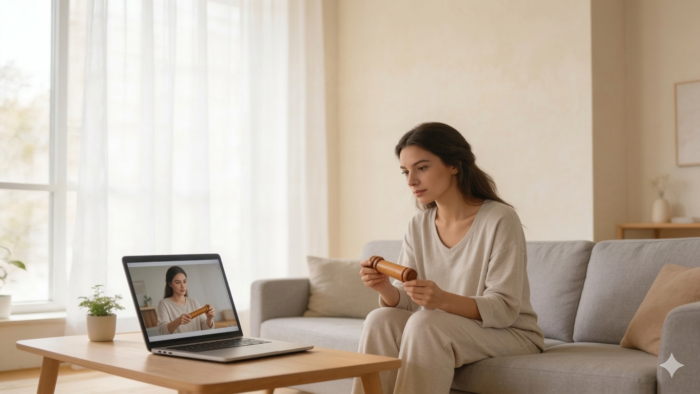
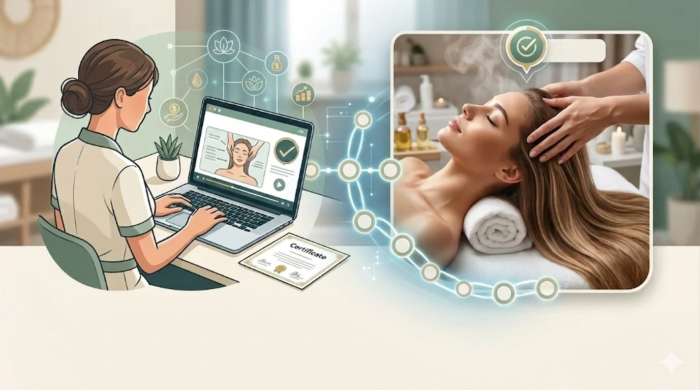
- Remotely Flexible learning, guided by videos and educational materials
- In person Practical immersion to master touch, gestures, and energy
Complete FAQ – Ocean Massages
Q1: What exactly is a wave massage?
This is a massage inspired by island traditions of the Pacific and Oceania, combining muscle relaxation, fluid movements, and energy work.
What is the difference compared to a classic massage?
Oceanic massages integrate vital energy, emotions, and often cultural tools or rituals. They prioritize fluidity and sensory experience.
What types of techniques exist?
Hawaiian Lomi-Lomi, Polynesian Taurumi, New Zealand Wacana, Fijian BOBO Massage, and Aboriginal-inspired Australian massages.
What are the physical benefits?
Muscle relaxation, tension relief, improved circulation, and muscle recovery.
Q5: What are the energetic and emotional benefits?
Energy harmonization, stress reduction, emotional release, feeling of vitality and grounding.
Q6: Is it suitable for all customers?
Yes, the gestures can be adapted for all types of clients, whether they are looking for relaxation, sports recovery, or energetic harmonization.
Q7: What tools are used?
A: Natural oils (monoi, coconut), seashells, hot stones, traditional sticks, or feathers depending on the techniques and rituals.
Q8: What is the average duration of a treatment?
Generally between 60 and 90 minutes for a complete treatment, depending on the technique and the chosen protocol.
Can these massages be practiced in a spa and at home?
Yes. The gestures can be adapted to the space and context, while respecting the oceanic spirit and the fluidity of the movements.
Q10: Is it dangerous for certain health conditions?
Ocean massages are gentle and adaptable. However, it is recommended to seek medical advice in case of recent injuries, pregnancy, or chronic conditions.
Q11 : How many sessions to feel the effects?
Immediate effect: relaxation and calm from the very first session. For energetic harmonization and lasting revitalization: 3 to 5 sessions spaced 1 to 2 weeks apart.
Is it profitable for an institute?
Yes. These rare and authentic massages allow us to offer a premium signature treatment, attracting a loyal clientele willing to invest in a unique experience.
Q13: Should one train before practicing?
Absolutely. The gestures, energy, and use of oils require precise learning to ensure safety and effectiveness.
Q14: Can multiple techniques be combined?
Yes, for example, Lomi-Lomi + Taurumi to create a unique signature protocol, respecting the principles of fluidity, energy, and relaxation.
What is the philosophy behind these massages?
A: The main idea is to respect the body as a whole: muscles, energy, and emotions. Every movement is designed to harmonize and revitalize the being in its entirety.
Q16: Is this an authentic ancestral technique?
Yes, passed down through generations, each movement and protocol is rooted in local rites and culture.
Q17: What accessories are essential to get started?
A: Natural oils, a comfortable massage table, soft towels, and possibly hot stones or shells depending on the technique.
Q18: Do clients need to prepare?
A: Generally no, just wear comfortable clothes and relax. Some techniques require exposed areas for massage.
Q19: What is the duration of vocational training?
Variable depending on the center or remote format: 1 day to 5 days for full mastery.
Where to train?
Infini Beauté offers distance and in-person training (Hauts-de-France), adapted to all levels and with certification.
Additional FAQ - Ocean Massages (International Keywords) 🌍
A Q1: What is an oceanic massage?
an oceanic massage is a holistic treatment inspired by Pacific Island and Oceanic traditions, focusing on relaxation, energy flow (Chi/Prana), and emotional balance. It integrates long, fluid movements and traditional rituals.
What are the benefits of Lomi-Lomi massage?
A : The Hawaiian Lomi-Lomi massage provides Deep muscle relaxation, emotional release, and improved circulation, enhancing overall wellness. It’s also effective for stress relief and mental clarity.
Is a Tantric massage suitable for stress management?
Yes. Taurumi Polynesian massage combines deep pressure and fluid strokes to support stress reduction, emotional well-being, and energy alignment. Ideal for clients seeking holistic relaxation.
Q4: Can oceanic massages help with sports recovery?
A: Absolutely. Techniques like BOBO Massage (Fiji) and Wacana (New Zealand) promotes muscle recovery, improved circulation, and vitality, making them suitable for athletes and active individuals.
Q5: Are oceanic massages safe for all skin types?
Yes. These massages use gentle, natural oils (e.g., coconut, monoiand adaptable pressure, making them safe for sensitive, mature, and normal skin types.
Q6: How do oceanic massages compare to Swedish or deep tissue massages?
Oceanic massages differ by focusing on energy flow, ritualistic techniques, and holistic well-being, rather than purely muscular release. They provide Physical, emotional, and spiritual benefits.
Can these massages be considered spa signature treatments?
A: Yes. Oceanic massages are premium treatments often marketed as Signature Spa Therapies, offering unique experiences for clients seeking authentic cultural wellness rituals.
Q8: What are the recommended session durations?
A: Typically, sessions last 60–90 minutes, depending on the technique and client's needs. For long-term energy alignment and stress relief, a series of 3–5 sessions is recommended.
Q9: Are oceanic massage techniques recognized internationally?
Yes. Practices like Lomi-Lomi, Taurumi, Wacana, and BOBO Massage are part of the international wellness and spa industry. They are often included in global spa training programs.
Q10: How can professionals get certified in oceanic massages?
A: Professional certification is available through accredited institutions like Infinite Beauty, offering Online and in-person training, including practical modules, theoretical knowledge, and cultural context for international recognition.
Resources and References
Visit Ocean massages are part of a world heritage of ancestral bodily practices. To learn more about different massage traditions around the world:
➡️ Overview of traditional massages – Wikipedia
Feel free to read our article: Oceanic Massage Traditions
You can also read: