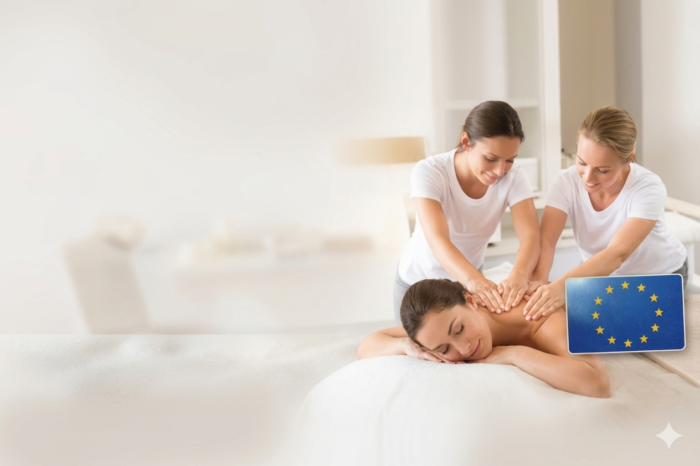
The Asian Massage Techniques, or Asian massages, are ancestral techniques that combine physical, energetic and emotional approaches. Each massage has its own philosophy, specific movements and precise objectives: deep relaxation, energetic rebalancing, revitalisation or emotional support.
At Infini Beauté, we offer Asian massage training professionnals for all these treatments, accessible remotely or at our centre in Hauts-de-France. These training courses allow you to acquire complete know-how, faithful to tradition, to offer authentic treatments tailored to each client's needs.
Korean Relaxation
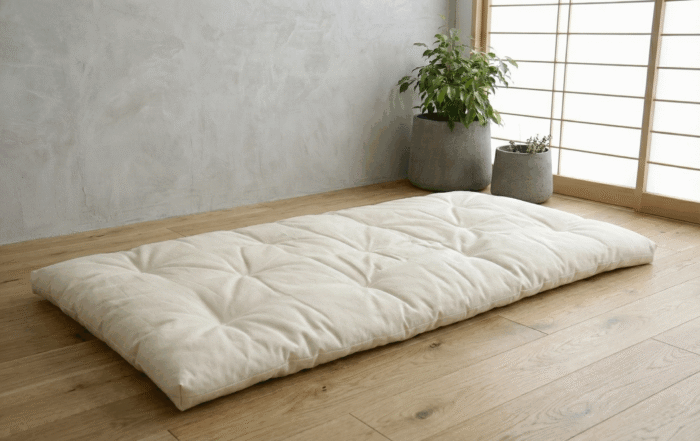
Origin and philosophy: Traditional Korean Asian massage, practised for centuries to harmonise the body and mind. It is practised dressed on futon, without oil, with fluid movements and global vibrations.
Technique and procedure A combination of swings, vibrations, and joint mobilisations, aimed at releasing muscular and nervous tension.
Physical benefits Relief from muscle tension, improved mobility and a boost in vitality.
Energy and emotional benefits: Energy rebalancing, deep mental relaxation, feeling of lightness.
What sets it apart: Works solely through movement and vibration, without intrusive pressure or oil.
Target audience: Suitable for anyone who wishes to release tension and reconnect with their body.
Traditional Thai Massage
Origin and philosophy: An ancient tradition born in Thailand over 2,500 years ago, inspired by yoga and Ayurveda. It considers the body as an energy network (Senand aims to release blockages while relaxing muscles and joints.
Technique and procedure Rhythmic pressure, gentle stretches, and joint mobilisations. Alternating between relaxation and stimulation, including effleurage, percussion, and rotations along energy lines.
Physical benefits Relief of muscle and joint tension, improved flexibility and circulation.
Energy and emotional benefits: Energy flow rebalancing, mental letting go, stress reduction, feeling of vitality.
What sets it apart: More dynamic and global than Korean massage; no oil needed, balances relaxation and energy.
Target audience: Athletes, active individuals or those with muscle tension, and those seeking relaxation and revitalisation.
Balinese Massage: Sensory Relaxation, Aromatherapy and Tropical Healing Traditions
Origin and philosophy: Indonesian massage combining Chinese and Indian influences, practised with oil. It aims to harmonise the body and mind.
Technique and procedure Smoothings, kneadings, frictions and gentle stretches, with an enveloping and fluid rhythm.
Physical benefits Deep muscle relaxation, stimulation of circulation, relief of tension.
Energy and emotional benefits: Stress reduction, emotional calming, overall balance.
What sets it apart: All tone and softness, very sensory.
Target audience: Ideal for anyone seeking deep relaxation and complete care.
Hot Stone Massage
Origin and philosophy: Ancient practice combining heated volcanic stones and semi-precious stones placed on each chakra for comprehensive energetic work.
Technique and procedure Muscle easing with hot stones, chakra stimulation and energetic harmonisation.
Physical benefits Muscle relaxation, improved blood and lymphatic circulation.
Energy and emotional benefits: Chakra balancing, emotional release, mental calming.
What sets it apart: Unique combination of warmth and stone energy.
Target audience: Stressed, exhausted individuals or those wishing for global regeneration.
Seashell Massage (Clam)
Origin and philosophy: Sensual massage using self-heating clams to relax and stimulate the body.
Technique and procedure Shells gliding over muscles, diffusion of gentle, continuous warmth.
Physical benefits Muscle relaxation, improved circulation.
Energy and emotional benefits: Mental relaxation, a feeling of comfort and well-being.
What sets it apart: Enveloping and fluid touch, a unique sensory experience.
Target audience: Suitable for everyone seeking comfort, cosiness, and relaxation.
Rose Quartz Massage
Origin and philosophy: Energetic Asian massages focusing on the heart chakra, using rose quartz, particularly beneficial for women.
Technique and procedure Gentle pressures and enveloping movements, emotional and energetic harmonisation.
Physical benefits Body relaxation, muscle relief.
Energy and emotional benefits: Emotional release, strengthening of self-esteem, inner balance.
What sets it apart: Very feminine care, focused on the emotions and energy of the heart.
Target audience: Women seeking relaxation and emotional harmony.
Jade Stone Massage
Origin and philosophy: Traditional Chinese massage using jade to stimulate and harmonise the body and energy.
Technique and procedure Gentle glides and light pressures, promoting energy balance and muscle relaxation.
Physical benefits Muscle relaxation, improved circulation, bodily regeneration.
Energy and emotional benefits: Qi harmonisation, mental calming, global revitalisation.
What sets it apart: Subtle and stable energy, gentle and balancing massage.
Target audience: All those seeking relaxation, energy and balance.
Amma Massage
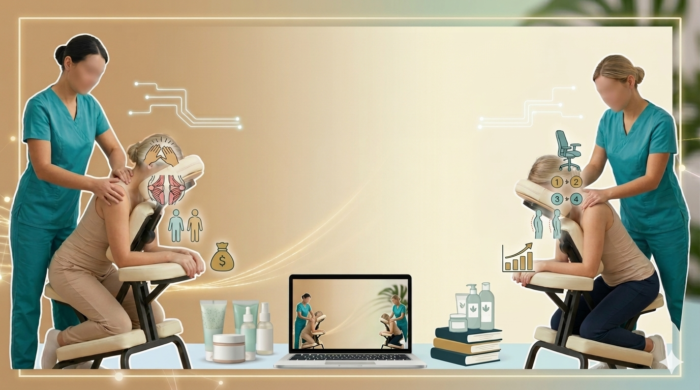
Origin and philosophy: Japanese seated Asian massage, fully clothed, focusing on the back, neck, shoulders and arms, to release tension and stress.
Technique and procedure Pressures, percussions and rhythmic stroking on the upper body to stimulate energy and relax.
Physical benefits Rapid relief from muscle tension, joint relaxation.
Energy and emotional benefits: Energy balance, stress reduction, mental revitalization.
What sets it apart: Quick and effective massage, without oil, ideal in a time-crunched context.
Target audience: For all those seeking rapid relaxation and energetic rebalancing.
Bamboo Massage
Origin and philosophy: Asian-origin massage using bamboos of different sizes to relax muscles and stimulate circulation.
Technique and procedure Rolling and pressing with bamboo, alternating deep and light zones, to release tension and tone.
Physical benefits Muscle relaxation, improved circulation, toning.
Energy and emotional benefits: Stress relief, global revitalisation, body balance.
What sets it apart: Homogeneous and deep pressure, sensory and tonic massage.
Target audience: For athletes, tense individuals, or those seeking a toning massage.
Nepalese Massage
Origin and philosophy: Energy-based Asian massages from Himalayan traditions, combining gentle gliding, pressure, and stretching techniques.
Technique and procedure Gentle mobilisations, effleurage, and pressures on the whole body to balance energy and muscles.
Physical benefits Muscle relaxation, tension release, circulatory stimulation.
Energy and emotional benefits: Energy balance, mental calm, revitalisation.
What sets it apart: Traditional Himalayan approach, global and harmonising massage.
Target audience: Individuals seeking deep relaxation and energetic harmonisation.
Javanese Massage
Origin and philosophy: Traditional massage from the island of Java, Indonesia, combining oils, stretches and flowing strokes to relax the body and mind.
Technique and procedure Deep stroking, kneading and gentle stretching, promoting muscle relaxation and energetic balance.
Physical benefits Muscle relaxation, stimulation of blood circulation, relief of tension.
Energy and emotional benefits: Mental soothing, stress reduction, harmonisation of body energy.
What sets it apart: Wrap-around, soft and fluid massage, very sensory.
Target audience: Individuals seeking deep relaxation and a unique sensory experience.
Tibetan Singing Bowl Massage
Origin and philosophy: Energy massage inspired by Tibetan tradition, using the vibrations of singing bowls to harmonize the body and mind.
Technique and procedure Placement of bowls on or near the body, combined with gentle pressures to diffuse vibrations and energy.
Physical benefits Mild muscle relaxation, circulatory and energetic stimulation.
Energy and emotional benefits: Energetic rebalancing, stress reduction, a deep sense of calm and harmony.
What sets it apart: Using sounds and vibrations to activate energy and relaxation.
Target audience: For anyone seeking deep relaxation and subtle energy work.
Indian Kansu bowl massage
Origin and philosophy: Ayurvedic Asian face massages using metal Kansu bowls to stimulate energy points and provide deep relaxation.
Technique and procedure Gentle glides and rotations with bowls on the face and scalp, promoting circulation and energy.
Physical benefits Facial muscle relaxation, improved blood and lymphatic circulation.
Energy and emotional benefits: Energy rebalancing, stress reduction, and a feeling of well-being.
What sets it apart: Focus on the face and skull, a subtle but profoundly relaxing technique.
Target audience: Individuals seeking facial relaxation, energetic harmonisation, and revitalisation.
Ayurvedic Massage
Origin and philosophy: Traditional Indian massage based on Ayurveda, aiming for energy balance, relaxation and bodily stimulation.
Technique and procedure Gentle pressures, smoothing, and stretches with specific oils, according to constitution (dosha) and recipient's needs.
Physical benefits Muscle relief, improved blood and lymphatic circulation, revitalisation.
Energy and emotional benefits: Energy harmonisation, stress reduction and deep relaxation.
What sets it apart: Personalisation according to body type and energy levels.
Target audience: All those wishing for relaxation, energetic balance, and global revitalisation.
Vietnamese massage
Origin and philosophy: Traditional Vietnamese massage combining Chinese and local techniques to relax the body and stimulate energy and circulation.
Technique and procedure Pressures, effleurages, kneading and gentle mobilisations, harmonising muscles and energy flow.
Physical benefits Muscle relaxation, tension relief and circulation stimulation.
Energy and emotional benefits: Energy rebalancing, stress reduction, feeling of vitality.
What sets it apart: Harmony of Chinese and Vietnamese techniques, full and balancing massage.
Target audience: People seeking muscle relaxation and energetic harmonisation.
Kundalini Massage
Origin and philosophy: Energy massage inspired by Indian traditions, aiming to stimulate the circulation of vital energy (Kundalini) in the body.
Technique and procedure Gentle pressures, smoothing, and targeted movements to activate energy and harmonise body and mind.
Physical benefits Muscle relaxation, circulatory and energetic stimulation.
Energy and emotional benefits: Activation of vital energy, mental calming, sensation of deep revitalisation.
What sets it apart: Focus on inner energy, full energetic massage.
Target audience: People interested in energy wellness and body-mind harmonisation.
Oshibori Hot Towel Massage
Origin and philosophy: Japanese technique using hot, damp towels to relax muscles and joints.
Technique and procedure Application of warm towels on targeted areas, combined with light smoothing and pressure.
Physical benefits Deep muscle relaxation, circulatory stimulation.
Energy and emotional benefits: Mental relaxation, sense of well-being, and comfort.
What sets it apart: Combination of heat and gentle massage, very enveloping.
Target audience: People seeking relaxation and deep comfort.
Herbal Pouch Massage
Origin and philosophy: Asian massage using heated herbal and aromatic plant pouches to stimulate the body and energy.
Technique and procedure Massages and smoothing with heated poultices, aroma diffusion and body stimulation.
Physical benefits Muscle relaxation, circulatory stimulation, revitalisation.
Energy and emotional benefits: Relaxation, energy harmonisation and mental calming.
What sets it apart: Sensory massage combining heat and aromatherapy.
Target audience: For anyone seeking muscle relaxation, energy, and aromatic sensations.
Chinese Tuina Back Massage
Origin and philosophy: Therapeutic Chinese massage focused on the back, using pressure and mobilisation techniques to harmonise Qi and relax muscles.
Technique and procedure Targeted pressure, smoothing, and mobilisation on the back, promoting energy circulation and muscle relaxation.
Physical benefits Back tension relief, posture improvement, and blood circulation.
Energy and emotional benefits: Energetic rebalancing, soothing, and mental relaxation.
What sets it apart: Chinese therapeutic approach focused on the back and energy.
Target audience: People with back tension, stress, or those wishing for energetic harmonisation.
Shiatsu Face & Body Massage
Origin and philosophy: Asian Japanese massages combining pressure, stretches and mobilisations on the face and body, based on traditional Japanese medicine.
Technique and procedure Rhythmic pressure on acupuncture points and meridians, gentle stretches and mobilisations.
Physical benefits Relief of muscle tension, improved circulation.
Energy and emotional benefits: Energy rebalancing, mental release, and deep relaxation.
What sets it apart: Full massage, combining physical relaxation and energetic harmonisation.
Target audience: For everyone seeking relaxation, energy, and mind-body balance.
FAQ – Asian Massages: Expert Guide (Asian Massage, Shiatsu, Tuina, Thai, Balinese, Lomi-Lomi, Aromatherapy)
What is the difference between Korean massage and Thai massage?
Korean Bodywork is practised fully clothed, without oil, using vibrations and rocking motions to relax muscles and joints. Thai Traditional Massage combines pressure, stretching, and energetic work on the Sen lines, for a more dynamic and holistic effect.Whole-body energy balance).
2. Do Balinese massages use specific oils? (Balinese Massage Oils, Aromatherapy)
Yes. Vegetable oils like coconut or monoi, sometimes enriched with essential oils, for a fluid, sensory and energising massage.Sensory wellness and relaxation).
3. Is hot stone massage therapeutic? (Hot Stone Therapy, Asian Massage)
Yes, it combines heat and pressure on muscles and chakras, improving blood and lymphatic circulation, and promoting Stress relief, deep muscle relaxation and energy alignment.
4. What are the differences between rose quartz and jade stones? (Rose Quartz vs Jade Stone Massage)
Rose quartz focuses on the heart chakra and emotions, particularly beneficial for womenEmotional balance & heart chakra healingJade is used to harmonise Qi and circulation, suitable for all types of customers.Energy balancing & detoxification).
Can Amma and Shiatsu massage be integrated into a spa?
Yes. Sitting allows for rapid interventions for express relaxation.Express wellness massagewhilst Shiatsu lying down or on a futon offers a complete mind-body treatmentHolistic energy therapy).
6. Are bamboo massages suitable for athletes?
Absolutely. Homogeneous and deep pressure releases muscle tension, improves circulation and tone.Muscle recovery and circulation enhancement).
7. Are Nepalese and Tibetan massages energetic or relaxing? (Nepalese & Tibetan Massage)
The two. They combine muscle relaxation and energetic stimulation, releasing Stress, emotional blockages and chronic tension (Energy healing & deep relaxation).
8. What are the benefits of Kansu bowl massages? (Kansu Facial Massage)
Stimulation of facial and cranial energy points, improved blood circulation, deep relaxation, energetic harmonisationFacial rejuvenation and energy alignment).
9. Are Ayurvedic massages customisable? (Ayurvedic Massage, Dosha Based)
Yes, depending on the dosha (Vata, Pitta, Kapha) and the client's condition. Oils, pressure, and techniques are adjusted for them. Holistic body & mind wellbeing.
10. Can Oshibori massage be offered in a modern spa? (Japanese Oshibori Massage, Hot Towel Therapy)
Yes, it brings comfort and quick relaxation. Highly valued as a complement to spa treatments or classic massages.Comfort and muscle relaxation).
11. Are herbal poultice massages suitable for sensitive skin?
Yes, the herbs are chosen for their relaxing and soothing properties, promoting stress relief and skin soothing.
12. Is Chinese Tuina therapeutic or relaxing? (Chinese Tuina Massage Therapy)
Primarily therapeutic. It targets back tension, muscle pain and Qi harmonisation.Pain relief and energy flow).
13. How long does a full Asian massage session last? (Session Duration, Asian Massage)
60 to 120 minutes depending on type: full shiatsu or ThaiFull body relaxationAmma seated: 15 to 30 minuteswellness session).
14. Can all these massages be learned online? (Online Asian Massage Training, Certification)
Yes, our distance learning courses include videos, a complete protocol, support, and a professional certificate.flexible online learning & certified courses).
15. Are Asian massages suitable for the elderly? (Senior Friendly, Asian Massage)
Yes, with adjustment of pressure and duration. Gentle techniques like Lomi-Lomi, Balinese, or Shiatsu promote mobility, circulation, and relaxation.Gentle bodywork & energy flow).
16. Are Asian massages suitable for pregnant women? (Pregnancy Massage, Thai & Balinese)
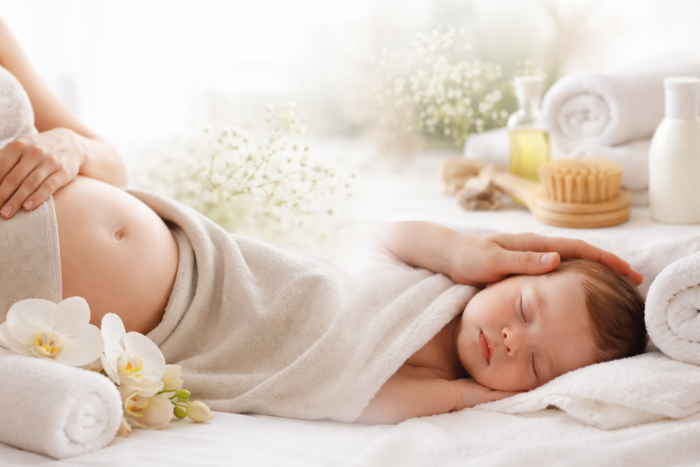
Some gentle techniques, adapted and validated by the professional, are possiblePrenatal Relaxation & Gentle Muscle Relief. Always consult a trained professional (trained prenatal therapist).
17. What are the energetic effects of Asian massages? (Energy Healing, Qi Flow, Chakra Balancing)
Qi harmonisation, vital energy activation, emotional balance, mental relaxation and body revitalisationHolistic energy therapy and emotional release).
18. Can Asian massages improve sleep? (Sleep Quality, Relaxation Therapy)
Yes, Lomi-Lomi, Shiatsu, or Balinese promote deep relaxation and letting go, improving Sleep quality & restorative sleep.
19. What tools are used in these massages? (Massage Tools, Hot Stones, Bamboo, Kansu)
Hot stones, rose quartz, jade, Kansu bowls, bamboos and aromatic sachets to maximise muscular and energetic relaxationSensory & Energy Tools).
20. What's the return on investment for a practitioner? (ROI, Professional Massage Training)
With average prices of €60–€120 per session, and customer loyalty, training is quickly profitable. Asian massages are sought after in spas, hotels, resorts, and international wellness contexts.Premium wellness services & high ROI).
21. How to market an Asian massage?
Cultural storytelling, explainer videos, “wellness & relaxation” packages, social media and combined offers with spa and energy treatments.Digital marketing and premium wellness branding).
22. Are Asian massages suitable for children? (Children Friendly Massage)
Yes, some gentle techniques such as Lomi-Lomi or Balinese can be adapted, with light pressure and parental supervisionGentle child massage & wellness).
23. Can Asian and Oceanian massages be combined?
Yes, Lomi-Lomi or Taurumi can complement Shiatsu or Balinese for an experience fusional body-mind and energetic (Holistic wellness experience).
24. Do Asian massages promote detoxification? (Detox, Circulation & Lymphatic Flow)
Yes, pressure, smoothing and heat (stones or poultices) stimulate blood and lymphatic circulation, promoting toxin elimination and revitalization.detox & rejuvenation).
25. Which training to choose according to one's objectives? (Choosing Asian Massage Training)
- Shiatsu or Amma: express and energetic relaxationExpress & Energy Therapy)
- Balinese or Javanese: deep and sensory relaxationDeep relaxation and sensory experience)
- Lomi-Lomi or Taurumi: emotion, fluidity and letting goEmotional release and holistic therapy)
- Hot stones or Quartz/Jade: subtle energy and energy workSubtle energy balancing)
Conclusion
The Asian Massage Techniques represent a unique ancestral heritage, combining traditional techniques, benefits physical and energetic. Each massage brings relaxation, revitalisation and energetic rebalancing, allowing practitioners to offer treatments authentic and personalised.
To train in these Asian Massage Techniques with Infini Beauté, you have the opportunity to acquire a professional know-how, true to tradition and adapted to the needs of all types of clients. Our training is accessible remotely for flexible learning, or in our Centre in Hauts-de-France for an immersive and practical experience.
At Infinite Beauty, no Well-being massage training are designed to cater to all levels, whether you are a beginner or a professional looking to enhance your skills. Each course can be taken remotely or in person, with personalised support, allowing you to acquire concrete and authentic know-how. Our intensive massage course offering a practical and immersive approach, ideal for quickly improving while respecting ancestral traditions.
Upon completion of our programmes, you can obtain a Massage practitioner certification, recognised and valued, guaranteeing your competence and seriousness. Whether you choose a Professional massage training, a Massage training with certificate or a Continuing professional massage training, you will have all the keys to offer authentic, personalised, and high-quality care to your clients.
You can also read: