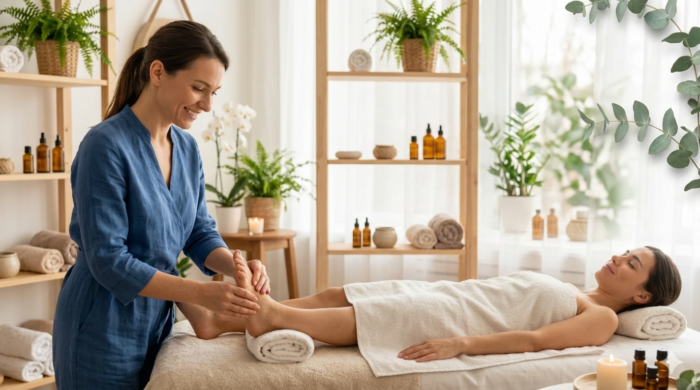
Visit African Traditional Massage Rituals are ancestral practices rich in traditions and know-how. Each African massage allie Physical techniques, energetic harmonization, and emotional well-being, allowing you to release tension, revitalize the body, and soothe the mind.
At Infinite Beauty, we offer African massage training, accessible remotely or at our center in Hauts-de-France, to pass on these unique and authentic techniques.
Egyptian Massage: Ancient Wellness Rituals and Energy Healing Techniques
Origin and philosophy:
Egyptian massage is one of the oldest in the world. It was practiced to stimulate circulation, revitalize the body, and preserve youth. It combines effleurage, kneading, and friction techniques on the entire body.
Technique and procedure:
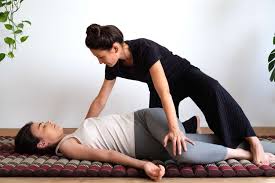
Sliding pressures and fluid movements, often associated with the use of scented oils. The gestures work on the muscles and promote deep relaxation.
Benefits:
- Muscle and joint relaxation
- Improved blood circulation
- Energy stimulation
What sets it apart:
Its millennial origin and its enveloping movements that combine relaxation and revitalization.
African Massage: Traditional Bodywork and Relaxation Methods
Origin and philosophy:
Practiced in several regions of Africa, this traditional massage is both therapeutic and relaxing. It is rooted in respect for the body and connection with nature.
Technique and procedure:
Deep pressure and circular movements over the entire body. Sometimes associated with local oils or traditional musical rhythms.
Benefits:
- Muscle tension release
- Revitalization and bodily energy
- Relaxation and harmony
What sets it apart:
The unique combination of strength and gentleness, with a rhythm often inspired by local traditions.
Oriental Massage: Sensory Wellness and Holistic Traditions
Origin and philosophy:
Massage inspired by North African and Eastern traditions, blending Arabic and Mediterranean influences. It aims to harmonize body and mind while promoting deep relaxation.
Technique and procedure:
Circular movements, gentle effleurage and kneading, often performed with scented oils. The massage may include moderate pressure on energy points.
Benefits:
- Muscle and joint relaxation
- Mental and emotional soothing
- Improved circulation
What sets it apart:
Its sensory and perfumed approach, offering a holistic experience.
Congolese massage - Bantou
Origin and philosophy:
Rooted in Bantu traditions from Congo, this massage aims to release deep tensions and revitalize vital energy.
Technique and procedure:
Dynamic movements alternating deep pressures and enveloping effleurages. The practitioner works on the entire body, emphasizing areas of muscular tension.
Benefits:
- Intense muscle relaxation
- Vital Energy Stimulation
- Emotional rebalancing
What sets it apart:
With her rhythmic and energetic gestures, combining power and fluidity.
Tanzania Massage
Origin and philosophy:
An ancestral practice from Tanzania, Tanzanian massage combines muscular relaxation and energetic harmonization, often performed in a ritualized setting.
Technique and procedure:
Fluid movements and moderate pressure, sometimes associated with local oils. Global bodywork with a relaxing rhythm.
Benefits:
- Tension relief
- Body revitalization
- Mental appeasement
What sets it apart:
Its gentleness combined with an energizing and harmonizing effect.
Senegalese adult massage
Origin and philosophy:
Centennial Senegalese tradition aimed at relaxing adults, stimulating circulation, and harmonizing body energy.
Technique and procedure:
Deep pressures, circular smoothing, and gentle mobilizations. The massage may include elements of rhythmic relaxation.
Benefits:
- Muscle relaxation
- Emotional appeasement
- Energy revitalization
What sets it apart:
With its enveloping and rhythmic gestures, adapted to the needs of adults.
Kenyan massage with Massai sticks - Rungu
Origin and philosophy:
Traditional Maasai practice in Kenya. The Rungu massage sometimes uses sticks to stimulate circulation and energy.
Technique and procedure:
Alternating manual pressure and movements with a stick on muscles and joints. Focus on tone and energy.
Benefits:
- Muscle stimulation
- Improved circulation
- Energy rebalancing
What sets it apart:
The use of a stick as a complementary tool to stimulate the body.
Tunisian Massage
Origin and philosophy:
Mediterranean massage inspired by traditional Tunisian rituals. It aims for relaxation, balance, and overall well-being.
Technique and procedure:
Gentle, enveloping movements, moderate pressure, often accompanied by oil rituals.
Benefits:
- Muscle relaxation
- Mental appeasement
- Energy harmonization
What sets it apart:
Its sensual and aromatic character, very relaxation-oriented.
Senegalese baby massage - Damp
Origin and philosophy:
Traditional infant massage, practiced for generations in Senegal to promote well-being, sleep, and parent-child bonding.
Technique and procedure:
Gentle, light, and enveloping pressure. Work on the entire body, including the neck and limbs.
Benefits:
- Baby relaxation and comfort
- Stimulates circulation and motor development
- Promotes attachment and security
What sets it apart:
Specially designed for babies, gentle and reassuring.
Moroccan ritual
Origin and philosophy:
Practice inspired by traditional hammams, combining exfoliation and massage to purify and relax.
Technique and procedure:
Gentle pressures, circular movements, and aromatic rituals with oils and black soap.
Benefits:
- Muscle relaxation
- Energy cleansing
- Calming the mind
What sets it apart:
Unique scrub and massage experience, very sensory.
Madagascar Massage – Exporter
Origin and philosophy:
Ancestral Malagasy massage aimed at revitalizing the body and vital energy. Widely used to harmonize muscles and energy.
Technique and procedure:
Deep pressure, enveloping movements, and smooth strokes all over the body, with an emphasis on the legs and back.
Benefits:
- Muscle relaxation
- Circulation stimulation
- Energy refocus
What sets it apart:
Its intensity and fluidity, which provide overall physical and emotional well-being.
What are the benefits of Tanzanian massage on the nervous system?
Tanzanian massage works on both the body and mind:
- Stress and anxiety reduction through fluid and encompassing movements
- Stimulation of reflex points promoting better nervous balance
- A feeling of overall relaxation that improves sleep and mental recovery
Keywords: Tanzanian massage benefits, Tanzanian massage benefits, African relaxation techniques.
17. What is the difference between an adult African massage and an Oriental massage?
- African massage: often more vigorous, rhythmic, with an emphasis on circulation and vital energy
- Oriental massage: gentler, fluid, based on sensory relaxation and energetic harmonization
The two can complement each other according to the client's needs for a complete treatment.
Keywords: African vs. Oriental massage, African massage vs. Oriental massage, traditional bodywork comparison.
Can African massages help improve blood circulation?
Yes, all African massages include:
- Deep pressure to stimulate muscles and blood vessels
- Massages and circular movements promoting blood and lymphatic flow
- Dynamic techniques (Rungu, Congolese) that tone tissues and improve oxygenation
Keywords: African massage for blood circulation, African massage for blood circulation, blood flow massage therapy.
19. Can African massage and aromatherapy be combined?
Absolutely
- Essential oils such as lavender, eucalyptus, or sandalwood
- Amplify relaxing and energizing effects
- Create a complete sensory experience for customers
Keywords: African massage aromatherapy, African massage essential oils, aromatherapy with African massage.
20. What are the most popular African massages in international spas?
- Egyptian Massage: For deep relaxation and revitalization
- Tanzanian massage: energetic harmonization and muscle relaxation
- Adult Senegalese massage: rhythmic and enveloping technique
These massages are sought after for their authenticity and their visible effectiveness on the body and mind.
Keywords: Popular African Massages, International African Massage, Traditional African Spa Treatments.
21. What accessories are recommended for practicing the Rungu Massai massage?
- Lightweight Masai sticks adapted to the user's height
- Massage table or ergonomic mat
- Vegetable oils for sliding a stick on the skin without friction
- Traditional music to accompany the rhythm of the massage
Keywords: Rungu massage tools, Massai massage accessories, African stick massage equipment.
22. Is African massage compatible with sports practice?
Yes, it can be integrated into a sports routine:
- Muscle preparation before exertion: improves elasticity and mobility
- Post-workout recovery: relieve tension and accelerate recovery
- Congolese and Tanzanian Massage Particularly Suited for Athletes
Keywords: African sports massage, African athletic massage, recovery massage.
What is the ideal duration for an African massage training course?
- Online training: unlimited access, progress at your own pace (10–20 hours to master a complete technique)
- In-person training: 1 to 3 intensive days depending on the type of massage
- Practice and repetition are essential to become a professional practitioner.
Keywords: African massage course duration, African massage training duration, professional African massage training.
24. Are African massages suitable for stressed or anxious individuals?
Yes, all African massages combine muscle relaxation and energetic harmonization:
- Egyptian and Oriental massage for deep relaxation
- Senegalese and Tanzanian massage for energy and emotional release
- Immediate effects on mental state and lasting sense of well-being
Keywords: African massage stress relief, African anti-stress massage, relaxation massage therapy.
25. Can African massages be integrated into an existing beauty salon or spa?
Yes, these massages provide:
- A differentiating and rare offer compared to classic massages
- Premium services with high prices
- Customer loyalty through sensory and therapeutic experience
- Possibility of creating rituals combining several techniques for a complete treatment
Keywords: African massage spa integration, African massage beauty institute, professional spa services African massage.
FAQ – African Trainings and Massages
What is the difference between African massages and other massages from around the world?
African massages are distinguished by their Fusion of bodily techniques, energetic harmonization, and traditional rituals. Unlike European or Asian massages, which often prioritize relaxation or acupressure, African massages combine:
- Deep and dynamic movements to relax muscles
- Circular mobilizations inspired by local traditions
- Rhythms and breaths associated with ancestral cultural practices
Keywords: African massage techniques, traditional African massage, ancestral African massage.
2. Is the African massage training suitable for beginners?
Yes, all our training courses are designed for beginners as well as professionals:
- Progressive modules with detailed videos
- Step-by-step explanations of gestures and postures
- Theoretical and practical approach to understanding the human body and energy
Keywords: African massage training for beginners, African massage courses.
3. What benefits can be expected from an Egyptian massage?
The Egyptian massage acts on multiple levels:
- Physique: Muscle relaxation, improved circulation, tension relief
- Energetics: Stimulation and harmonization of vital energy
- Emotional: stress reduction, feeling of deep well-being
Its fluid and enveloping gestures make it a versatile massage accessible to everyone.
Keywords: Egyptian massage benefits, relaxing Egyptian massage, African massage benefits.
4. What oils to use for an authentic African massage?
According to tradition and massage:
- Sesame oil: nutritious and protective
- Shea butter: soothing for the skin
- Coconut oil: moisturizing and sensory
- Local essential oils: lavender, eucalyptus, citronella to stimulate energy and the senses
The choice of oil enhances the sensory experience and the therapeutic aspect of the massage.
Keywords: African massage oils, natural African massage oils, essential oils for African massage.
5. How long does a professional African massage session last?
The duration varies depending on the type of massage and the client's needs:
- Adult massage (Egyptian, African, Oriental): 60 to 90 minutes
- Baby Massage (Senegalese Damp): 20 to 40 minutes
- Stick Massage (Rungu Massai): 45 to 75 minutes
It is recommended to allow an additional 15 minutes for reception and explanation of the protocol.
Keywords: African massage session length, professional massage timing.
6. Are African massages suitable for pregnant women or the elderly?
Yes, but with precautions:
- Pregnant women: avoid certain deep pressure and follow an adapted protocol
- Elderly individuals: prioritize gentleness, smoothing, and light joint mobilizations
- Always check contraindications and medical conditions before the session
Keywords: Prenatal African massage, African massage for seniors, safe traditional massage.
7. Is African massage considered therapeutic?
Yes, some African massages combine relaxation and bodywork to reduce muscle and joint tension, improve circulation and harmonize vital energy. It can complement physiotherapy, sports, or overall wellness treatments.
Keywords: therapeutic African massage, African wellness massage, holistic body therapy.
8. What is the difference between an adult African massage and a baby massage?
- Adult massage: moderate to deep pressure, dynamic techniques, energy harmonization
- Baby massage (Damp): gentle gestures, light pressures, focus on comfort, sleep, and parent-child bonding
Both aim for well-being, but the protocols and intensity are adapted to age and sensitivity.
Keywords: African baby massage, African baby massage, infant massage techniques.
9. Can different African massages be combined in one session?
Yes, combining multiple techniques allows for a personalized experience:
- Start with a gentle massage for relaxation.
- Follow with a vigorous massage (e.g., Congolese or Rungu Masai)
- Finish with enveloping massages to soothe the body and mind.
This approach is highly appreciated by customers looking for Relaxation and complete energy revitalization.
Keywords: Combined African massage, mixed African massage, personalized traditional massage.
10. What accessories or tools are used in some African massages?
Some traditional massages include:
- Massai Sticks (Rungu): to tone and stimulate circulation
- Local vegetable oils and scented candles
- Traditional music or African rhythms for the ambiance
- Hot towels or stones to complement relaxation
These elements increase efficiency and sensory experience.
Keywords: African massage tools, African massage accessories, Rungu massage stick.
11. What types of clients seek African massages?
- Stressed or anxious people
- Athletes or active individuals seeking muscle recovery
- Pregnant women or new mothers for gentle massages
- Passionate about well-being and authentic sensory experiences
- Clients seeking rare and traditional care
Keywords: African massage clientele, African massage clients, traditional massage demand.
12. Can African massages be effectively learned remotely?
Yes, our online training courses offer:
- Step-by-step videos, accessible anytime
- Anatomical and energetic explanations
- Unlimited access for practice and review
- Certificate of completion
So, even without prior experience, it's possible to become a skilled practitioner.
Keywords: online African massage course, African massage training online, distance learning massage.
13. Are African massages suitable for spas and wellness centers?
Absolutely, they bring:
- An original and differentiating offer
- A complete treatment combining relaxation and revitalization
- A premium added value to attract repeat customers
They integrate perfectly into a high-end care card.
Keywords: African massage spa, African massage spa treatment, African massage wellness center.
14. How much does African massage training cost?
The training varies depending on the massage:
- Remote: €199 with unlimited access
- In-person in Hauts-de-France: €399 to €599 depending on duration and specialty
Investment quickly amortized thanks to high added value and customer loyalty.
Keywords: African massage training cost, African massage training price, professional massage course fee.
15. Can African massages be monetized effectively?
Yes, because they:
- Responding to a growing demand for authentic and rare care
- Allowing premium rates (€50–€120 per session depending on type and duration)
- Generate recurring revenue through regular appointments
- Retain a clientele seeking a unique experience and complete well-being
Keywords: African massage profitability, massage africain rentabilité, professional massage income.
Conclusion
Visit African Traditional Massage Rituals offer an exceptional diversity of techniques and rituals, combining relaxation, revitalization, and energetic balance. Training in African massage with Infini Beauté allows for the offering of authentic, rare, and deeply transformative treatments.
Our training in African Traditional Massage Rituals are accessible remotely or in our Center in Hauts-de-France, in order to pass on comprehensive know-how that is true to African traditions.
African massages are part of many ancestral body practices around the world. You can discover a Overview of Traditional Massages on Wikipedia.
You can also read:
- Select Rituals and Secrets of African Massage: Ancestral Traditions and Techniques
African Massage Techniques - 🪵 What is the Kenyan Masai Stick Massage (Rungu)?